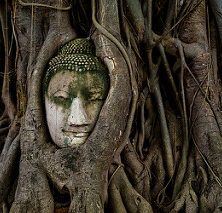
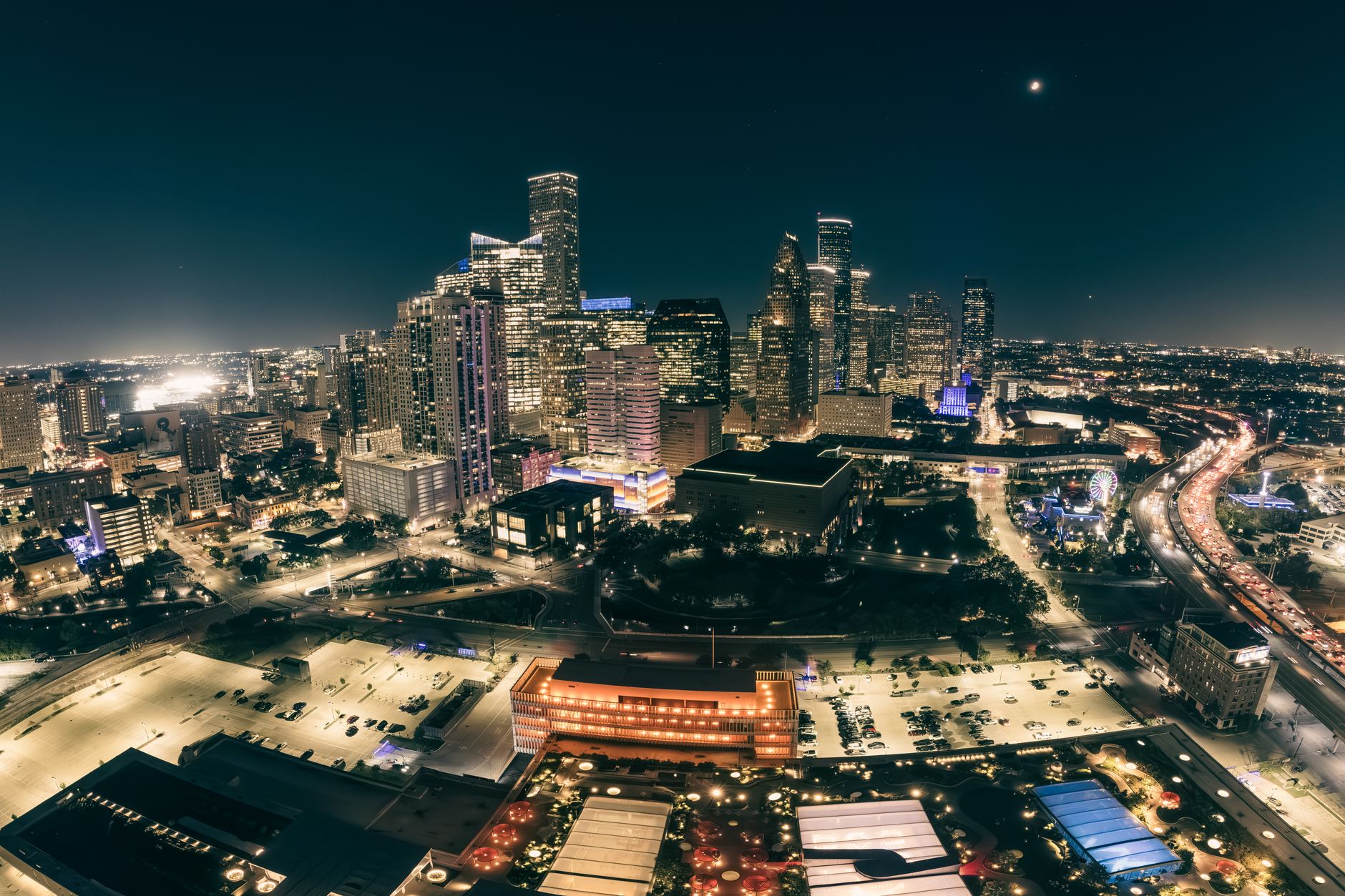
The television in the South Park living room flickered with scenes of smoke and shattered glass above the steps of the U.S. Capitol. Outside the window, heat shimmered off the Houston asphalt, but inside, the air was cold with terror. Memories of historical purges, echoed by modern echoes of fear, made the decision unanimous. Thirteen families from South Park and Sunnyside packed their go-bags. They packed cash, deeds, high-powered rifles, and a profound, fortress-like paranoia. They left the sweltering grid of Texas behind, aiming for the quiet edge of the map: Quartermaster Harbor on Vashon Island.
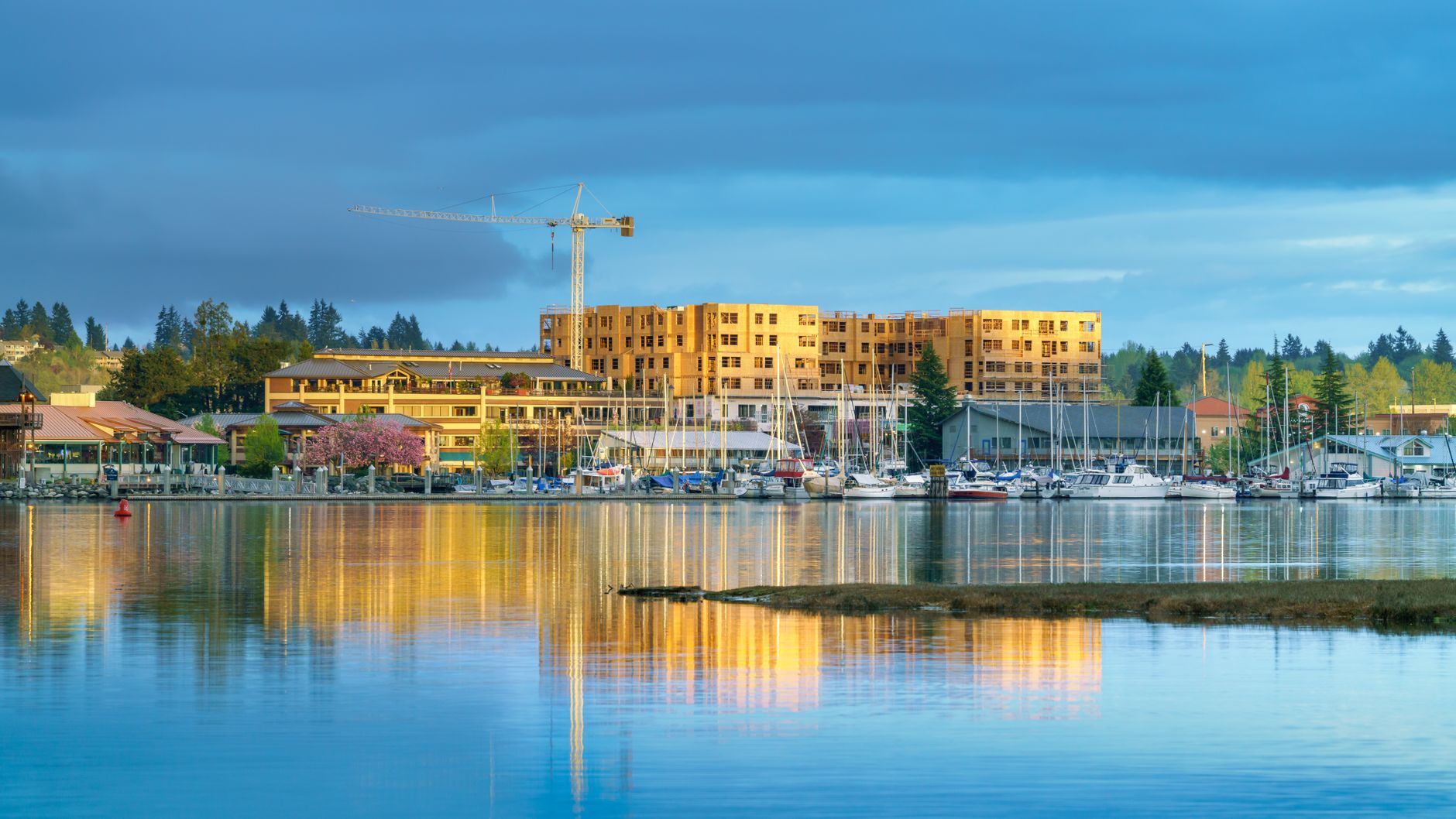
They envisioned an island fortress. They saw Vashon not as an ecosystem, but as a sanctuary to hoard. They bought up acreage along the shoreline, ignoring the local murmurings, intent on surviving what they believed was the end of the world. They focused entirely on mechanics—ferries, water rights, septic lines, and shoreline permits—believing that legal paperwork and aggressive self-reliance were all it took to conquer a new home.
They treated the island with the same transactional arrogance they had fled. They cut down ancient trees for clear sightlines, ignored local shoreline restoration rules, and scoffed at the locals who tended lavender fields and kept to themselves. The people of Vashon—steeped in a quiet tradition of privacy, craft, and deep-rooted history—gave the aggressive Texans a very wide berth. When the Thirteen tried to assert dominance, the islanders simply turned away, shunning them entirely. In Washington, your business is your business, but haughtiness is a silent offense.
The Thirteen never learned about the S’Homamish, the Swiftwater People, or the disembodied guardians of Maury Island and the Puget Sound. They didn’t know that the land requires permission, not just a property deed. They led with paranoia and cruelty, bickering among themselves as supply lines thinned and the coastal dampness rotted their defenses. Incident by quiet incident, their numbers dwindled. The land simply absorbed them—a collapsed septic trench here, a rogue swell off the point there, a sudden, inexplicable departure into the mist.

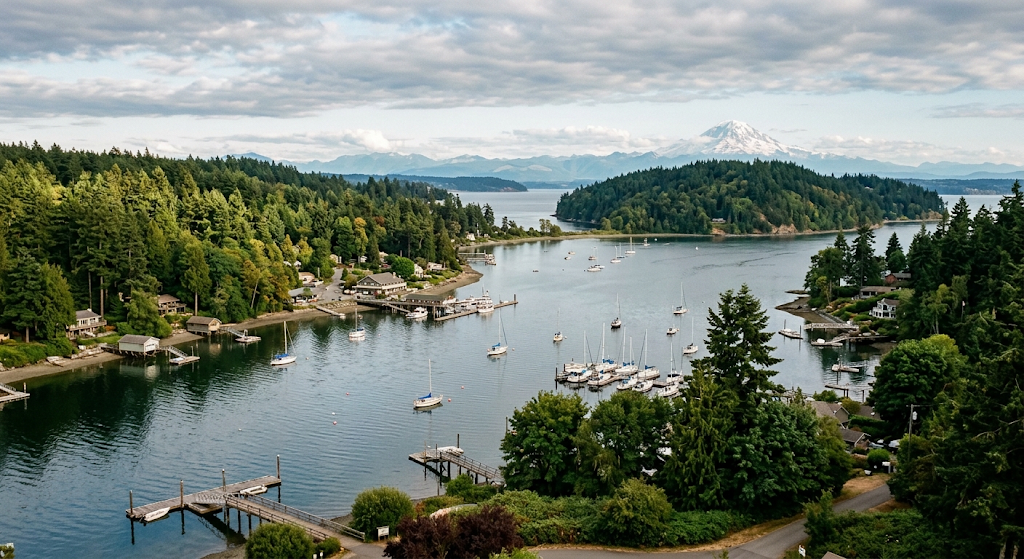
By January 6, 2027, county surveyors arrived at Quartermaster Harbor to audit the properties. They found nothing. No homes, no go-bags, no trace of the thirteen families. The forest had closed its canopy; the tide had swept the beach clean.
When questioned, the neighboring lavender farmers simply sipped their tea, looked out over the gray water, and offered no information. They knew the truth as old as the Duwamish: the spirits of the land and water never left. The Thirteen had brought fear and disrespect to a place that demands humility, forgetting that without respect, survival is impossible.
The idea of mercy and forgiveness does not exist in the Pacific Northwest. Choose wisely in every decision because the wrong one will cost you your life and likely your eternal soul.
Morale: Respect is due no matter what you do. If you don’t have respect for yourself, you can’t respect anyone else. The consequences will be your own.
 Ms Coletha's Blog