
Ms Coletha Albert8 minutes ago
@trevornoah is an ice cream elitist! Fab!!! Have you checked out Trevor’s What Now? podcast?? I laughed out loud when @AtsukoOkatsuka Can You Ever Really Go Home Again? #AtsukoOkatsuka
#TrevorNoah My favorite moment was when Atsuko said her mom was the girl from The Ring movie!!
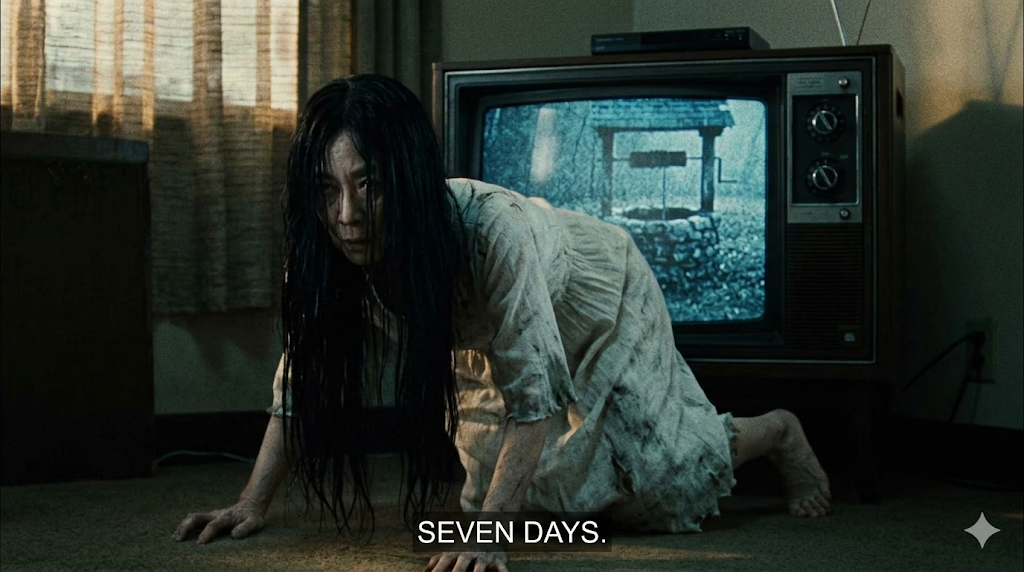
I laughed totally out loud!!! If I had a dollar for everytime someone called my mom insane, dumb, etc…I would be a trillionaire.

All of these strangers/outsiders trying to change my opinion of my own mother. It will never happen! The only person who has set my opinion of my mother is my mother. What is my opinion? She is my shero and my best lesson. She taught me so much!! Because of what she taught me my life is amazing and she is very proud of me. I am proud of her. She came up at the turn of the Black History when the “Colored Only” signs came down. The difference was that my mom came from money so those signs did not effect her. My point: My Mom is truly great! I overcame the thing that tripped up all the ladies of my family: The curse of loving your children to your own demise. I saw it in 3 generations. In my life, my sons tried their damdest to manipulate me, game me, disrespect me, lie on me, etc…I didn’t take it personally. I just remembered how my uncles played my grandmother. I remember how my grandmother played my great grandmother. I remember the look on their faces. They knew they were being played. There was pain there – but they went along with it because back in the day being a woman you were nothing, not even the children belonged to you, they belonged to their father. Ewwwww!!! When I think of the times when a child said to her mother, “This is my Daddy’s house!” when it was the mother who actually financially supported “Daddy”, Grandmommy, Uncle Ab…the women of my family were treated HORRIBLY by their friends, the world in general and their own children!! I learned the lesson well and wrapped that experience in adoration! I don’t judge my bloodline. I understand. They gave me the strength to stand up to my own sons. I resisted their foolishness like Yeshua resisted Lucifer… My bloodline gave me this power!!! I am so grateful! As Spring has Sprung I am restored, rejuvenated, elated, and STRONG. To my grandchildren and my great children and great great grandchildren: Real love is not allowing you to have whatever you want because of guilt from abuse, racism, bullying, etc…You have to find your own way and become strong as I have without the advent of jail, degradation, impurity, fear, and self loathing. How did I do it? I didn’t actually, this has been my inheritance. It’s why I was given all the property, money, cars EVERYTHING because I am the one that was born to carry the family forward AND unable to be blackmailed with anything. I hold the true love of the whole family for generations. My humanity can not be used against me in any way. I was born “Aloof”. Hallelujah!!! My Mom is not the girl from “The Ring” but she had to act that character because my siblings, etc…needed her to play that role so they could disrespect and mistreat her. I pray for Almighty God’s Will to be done in my life, not anyone else’s – I pray the same for you. “If Almighty God be for you, HE is more than your whole family against you.” I am very good with that. Aren’t you?

More about the “Colored Only” transition times: “Coloreds Only” signs and similar segregation markers in Texas, including the Spring area, generally came down following the Civil Rights Act of 1964, which outlawed segregation in public accommodations. While Brown v. Board of Education (1954) mandated school desegregation, the physical signs remained until the 1964 act. [1, 2]
Key context regarding the removal of these signs:
- 1954–1960s: Brown v. Board made segregated schools unconstitutional.
- July 2, 1964: President Johnson signed the Civil Rights Act, making segregation in public accommodations, such as restaurants, hotels, and theaters, illegal across the South.
- Enforcement: While the 1964 act mandated the removal of signs, enforcement of desegregation varied across Texas, with many businesses in rural areas resisting integration until after the act was passed. [2]
While specific local documentation for the town of Spring is limited in the provided search results, it followed the same legal, social, and political timeline as the rest of the Jim Crow South.
In 1964, Spring, Texas—a rural area just north of Houston—was a deeply segregated community, operating under Jim Crow customs where Black women faced significant systemic discrimination, social restrictions, and economic marginalization. While 1964 marked the legal turning point with the Civil Rights Act, daily life for Black women in rural North Harris County was still defined by enforced separation in public places, schools, and essential services. [1, 2, 3]
Daily Life and Segregation in 1964
- Segregated Spaces: Black women lived under institutionalized segregation, which dictated where they could shop, eat, and receive medical care. While Houston began “quietly” desegregating lunch counters in 1960–1961, these changes were slow to impact rural areas like Spring, where separation in churches, schools, and residential districts remained largely intact in early 1964.
- School Segregation: While Texas had made progress in desegregation by 1963, most Black students in suburban areas still attended separate, often underfunded schools.
- Community Structure: Black women in this region were often the backbone of self-sustaining, tight-knit communities that existed parallel to white society. These areas, sometimes described as “forgotten Black towns” surrounding Houston, relied on churches and local schools as centers of community life. [2, 4, 5, 6, 7]
Political and Economic Challenges
- Voting Rights Restrictions: While the 24th Amendment was ratified in 1964 to ban poll taxes, Black women in Texas still faced intimidation and bureaucratic obstacles, such as literacy tests, until the Voting Rights Act of 1965.
- Employment and Activism: Job opportunities were often restricted to domestic work or low-paying labor. Despite this, Black women were highly active in voter registration drives, community clubs, and political organizing to challenge the status quo, often working with organizations like the Democratic Progressive Voters League.
- Safety and Justice: Black women in Texas were frequently targets of racial violence and experienced “rampant” political disenfranchisement. They often had to organize to protect themselves and their families from both harassment and the ongoing threat of vigilante activity. [7, 8, 9, 10, 11]
The Turning Point: 1964The signing of the Civil Rights Act on July 2, 1964, by President Lyndon B. Johnson legally outlawed segregation in public accommodations and employment discrimination. While this meant that by late 1964, Black women in Texas could legally access the same public facilities as whites, social change was met with resistance, and the shift from “customary” segregation to legal integration was not instantaneous in rural areas. [1, 12, 13]
[1] https://millercenter.org/the-presidency/educational-resources/the-civil-rights-act-of-1964
[2] https://www.tshaonline.org/handbook/entries/segregation
[3] https://www.youtube.com/watch?v=J-xQUtwj-Bc
[4] https://www.usccr.gov/files/historical/1963/63-006.pdf
[6] https://www.youtube.com/watch?v=UwfdgOGjgtE
[9] https://www.tshaonline.org/handbook/entries/civil-rights
[11] https://www.dwherstories.com/timeline/say-it-like-it-is
[13] https://millercenter.org/the-presidency/educational-resources/the-civil-rights-act-of-1964

I think I will dedicate my next book to all of my grandchildren and their children. What do you think?
 Ms Coletha's Blog